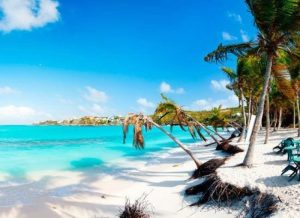
Cultural discovery in Europe sets the stage for this enthralling narrative, offering readers a glimpse into a story that is rich in detail and brimming with originality. From diverse cultural experiences to unique traditions, this exploration promises a deep dive into the essence of Europe’s heritage.
Cultural Discovery in Europe
Europe is a continent rich in cultural diversity, offering a wide range of experiences for travelers seeking to explore unique traditions and heritage. From ancient customs to modern artistic expressions, Europe has a lot to offer in terms of cultural discovery.
Diverse Cultural Experiences
Europe boasts a plethora of diverse cultural experiences that vary from country to country. For example, visitors can witness the flamenco dance in Spain, attend the famous Oktoberfest in Germany, explore the fascinating folklore in Ireland, or marvel at the intricate art and architecture in Italy. Each country in Europe has its own unique cultural identity that contributes to the rich tapestry of the continent.
Unique Cultural Traditions
One of the fascinating aspects of Europe is the presence of unique cultural traditions in different countries. For instance, the Northern Lights in Scandinavia are a natural phenomenon that has inspired folklore and traditions in countries like Norway and Sweden. In Greece, the traditional Greek wedding ceremony is a celebration filled with customs and rituals that date back centuries. These traditions offer a glimpse into the history and cultural heritage of each country.
Significance of Exploring Cultural Heritage
Exploring cultural heritage while traveling in Europe allows visitors to gain a deeper understanding of the local customs, beliefs, and values. It provides an opportunity to connect with the people and history of a place, fostering a sense of appreciation and respect for different cultures. By immersing oneself in the cultural heritage of Europe, travelers can enhance their overall experience and create lasting memories.
Fishing Holidays
For travelers looking to unwind and connect with nature, fishing holidays offer a unique and relaxing experience. The appeal lies in the opportunity to escape the hustle and bustle of everyday life, while immersing oneself in the beauty of the great outdoors.
Tips for Planning a Successful Fishing Holiday in Europe
When planning a fishing holiday in Europe, consider the following tips to make the most of your experience:
- Research the best fishing spots: Europe is home to a variety of fishing destinations, each offering unique opportunities for anglers. Whether you prefer freshwater or saltwater fishing, make sure to research and choose a location that suits your preferences.
- Pack the right gear: Depending on the type of fishing you plan to do, make sure to pack the appropriate gear and equipment. This includes fishing rods, reels, bait, and tackle.
- Check local regulations: Before heading out to fish, familiarize yourself with local fishing regulations and obtain any necessary permits or licenses. This will ensure you are fishing legally and responsibly.
- Consider guided tours: If you are new to fishing or unfamiliar with the area, consider booking a guided fishing tour. This can provide valuable insight and assistance from experienced anglers.
- Plan for accommodations: Whether you choose to stay at a fishing lodge, campsite, or hotel, make sure to book accommodations in advance to secure your stay.
Popular Fishing Destinations in Europe
- Norway: Known for its stunning fjords and abundant fish species, Norway offers excellent fishing opportunities for anglers of all levels.
- Ireland: With its picturesque lakes and rivers, Ireland is a popular destination for trout and salmon fishing.
- Scotland: Home to world-renowned salmon rivers and scenic lochs, Scotland is a must-visit destination for any fishing enthusiast.
- France: From the rivers of the Champagne region to the coast of Brittany, France offers a diverse range of fishing experiences for anglers.
- Sweden: With its countless lakes and rivers, Sweden is a paradise for anglers seeking peace and tranquility in nature.
Diving and Snorkeling Holidays
Diving and snorkeling holidays offer unique opportunities to explore the underwater world, but they differ in terms of depth, equipment, and experience. While diving allows you to descend deeper underwater with the use of scuba gear, snorkeling involves staying at the surface and breathing through a snorkel tube.
Best Spots for Diving and Snorkeling in Europe
When it comes to diving and snorkeling in Europe, there are several fantastic spots to choose from. Some of the best locations include:
- The Mediterranean Sea: With its crystal-clear waters and rich marine life, the Mediterranean offers great diving and snorkeling opportunities in countries like Spain, Italy, and Greece.
- The Azores, Portugal: This volcanic archipelago in the Atlantic Ocean is known for its diverse marine ecosystems and underwater landscapes, perfect for both diving and snorkeling.
- The Red Sea, Egypt: Renowned for its vibrant coral reefs and colorful fish species, the Red Sea is a top destination for diving enthusiasts seeking an unforgettable underwater experience.
Importance of Marine Conservation during Diving and Snorkeling Trips
Marine conservation is crucial during diving and snorkeling trips to protect the delicate underwater ecosystems and ensure their sustainability for future generations. By following responsible diving practices, such as not touching or damaging coral reefs, avoiding littering, and respecting marine life, divers and snorkelers can help preserve the beauty and biodiversity of the oceans.
Voluntourism Holidays
Voluntourism combines the concept of volunteering with travel, allowing individuals to contribute to local communities while exploring new destinations. This form of tourism has a positive impact on local economies, social development, and environmental conservation.
Personal Experiences
- During a voluntourism trip in Spain, I had the opportunity to work with a local organization focused on wildlife conservation. We participated in beach clean-ups, helped with animal care, and engaged with the community to raise awareness about environmental issues.
- In Italy, I volunteered at a sustainable agriculture project, where we worked on organic farms, learned about traditional farming practices, and supported local farmers in promoting eco-friendly techniques.
Finding Reputable Opportunities
- Research organizations that offer voluntourism programs in Europe and check their reviews and ratings from previous participants.
- Look for opportunities that align with your interests and skills, whether it’s wildlife conservation, community development, or sustainable tourism.
- Consider the duration of the program, the level of support provided, and the impact of your contribution on the local community before making a decision.
Beach Vacation
European beaches offer a unique and diverse experience for vacationers, with stunning coastlines, crystal-clear waters, and a mix of cultural influences that make each beach destination special.
Southern Europe vs. Northern Europe Beach Destinations
In Southern Europe, countries like Spain, Italy, and Greece boast warm Mediterranean waters, vibrant beach resorts, and a lively atmosphere. These beaches are known for their lively beach clubs, water sports activities, and delicious cuisine.
On the other hand, Northern Europe, including countries like Norway, Sweden, and Denmark, offers a more rugged and wild beach experience. The beaches here are surrounded by dramatic cliffs, tranquil fjords, and picturesque landscapes. While the water may be colder, the peaceful and untouched beauty of these beaches is unmatched.
Hidden Gem Beach Locations in Europe
- Algarve, Portugal: Known for its stunning rock formations, hidden coves, and golden sandy beaches, the Algarve region offers a more secluded and peaceful beach experience away from the crowds.
- Menorca, Spain: This lesser-known Balearic island boasts pristine beaches with crystal-clear turquoise waters, perfect for snorkeling and diving enthusiasts looking to explore underwater wonders.
- Isle of Harris, Scotland: Despite its chilly waters, the Isle of Harris is home to some of the most breathtaking beaches in Europe, with white sandy shores and vibrant turquoise waters that rival tropical destinations.
Mountain Retreat
When it comes to relaxation and rejuvenation, a mountain retreat offers a peaceful and serene environment away from the hustle and bustle of city life. Surrounded by stunning natural landscapes, fresh mountain air, and the calming sounds of nature, a mountain retreat provides the perfect setting to unwind, recharge, and connect with oneself.
Recommended Mountain Retreat Destinations in Europe
- The Swiss Alps: Known for their majestic peaks and picturesque villages, the Swiss Alps offer a perfect retreat for those seeking tranquility and breathtaking views.
- The Dolomites, Italy: With their unique rock formations and lush green valleys, the Dolomites are a UNESCO World Heritage Site and a popular destination for hikers and nature lovers.
- The Pyrenees, France and Spain: Spanning across both countries, the Pyrenees mountains provide a diverse landscape of rugged terrain, meadows, and forests, ideal for outdoor activities and relaxation.
Activities During a Mountain Retreat Vacation
During a mountain retreat vacation, there are plenty of activities to engage in, depending on your preferences and fitness level. Some popular activities include:
- Hiking: Explore scenic trails and enjoy panoramic views of the surrounding mountains.
- Yoga and Meditation: Connect with your inner self and find peace and balance in the midst of nature.
- Spa Treatments: Pamper yourself with relaxing spa treatments and massages to rejuvenate your body and mind.
- Skiing and Snowboarding (in winter): Experience the thrill of gliding down snow-covered slopes and enjoy winter sports activities.
Adventure Vacation
Europe offers a wide range of adventurous activities for thrill-seekers looking to explore the continent in a unique way. From mountain trekking to water sports, there are plenty of options to get your adrenaline pumping.
Types of Adventure Activities in Europe
- Mountain Trekking: Explore the stunning Alpine peaks in Switzerland, France, or Italy.
- Rock Climbing: Test your skills on the vertical cliffs of Spain’s Costa Blanca or Greece’s Kalymnos.
- White Water Rafting: Navigate the rapids of the Tara River in Montenegro or the Tummel River in Scotland.
- Caving: Delve into the mysterious caves of Slovenia’s Postojna Cave or France’s Gouffre de Padirac.
- Skiing and Snowboarding: Hit the slopes in the famous ski resorts of Austria, France, or Switzerland.
Must-Try Adventurous Experiences in Europe
- Hiking the Camino de Santiago in Spain for a historic and spiritual journey.
- Paragliding over the picturesque landscapes of Interlaken, Switzerland.
- Bungee jumping from the Contra Dam in Switzerland for an exhilarating free fall experience.
- Kayaking through the crystal-clear waters of Croatia’s Adriatic Sea for a unique perspective of the coastline.
- Mountain biking in the rugged trails of Scotland’s Isle of Skye for a challenging adventure.
Thrill and Challenges of Adventure Vacations in Europe
Embarking on an adventure vacation in Europe is not only about seeking thrills but also about overcoming challenges and pushing your limits. Whether it’s conquering a mountain peak or navigating a wild river, these experiences will test your courage, resilience, and determination. The unpredictable nature of outdoor activities adds an element of excitement and unpredictability, making each adventure a memorable and rewarding journey.
Cultural Exploration
When traveling, cultural exploration plays a crucial role in enhancing the overall experience. It allows travelers to immerse themselves in the local way of life, traditions, history, and customs, providing a deeper understanding of the destination.
Importance of Cultural Exploration
Exploring the culture of a place can lead to a more meaningful and authentic travel experience. It enables visitors to connect with the local community, gain insights into different lifestyles, and appreciate the diversity of the world. By engaging with the culture, travelers can broaden their perspectives, challenge stereotypes, and foster mutual respect and understanding.
Tips for Immersing in Local Culture in Europe
- Interact with locals: Engaging with residents through conversations, participating in cultural events, and trying local cuisine can provide valuable insights into the community.
- Visit cultural sites: Exploring museums, historical landmarks, and art galleries can offer a glimpse into the rich heritage and traditions of the region.
- Learn the language: Even basic phrases in the local language can go a long way in bridging communication gaps and showing respect for the culture.
- Attend festivals and events: Joining local celebrations and festivals allows travelers to witness traditional rituals, music, dance, and customs firsthand.
- Stay in locally-owned accommodations: Opting for homestays, guesthouses, or boutique hotels run by locals can provide an authentic experience and support the local economy.
Enriching Travel Experiences through Cultural Exploration
By immersing oneself in the culture of a destination, travelers can create lasting memories, forge meaningful connections, and gain a deeper appreciation for the world’s diversity. Cultural exploration not only enriches travel experiences but also promotes cross-cultural awareness, empathy, and personal growth.
Historical Vacation
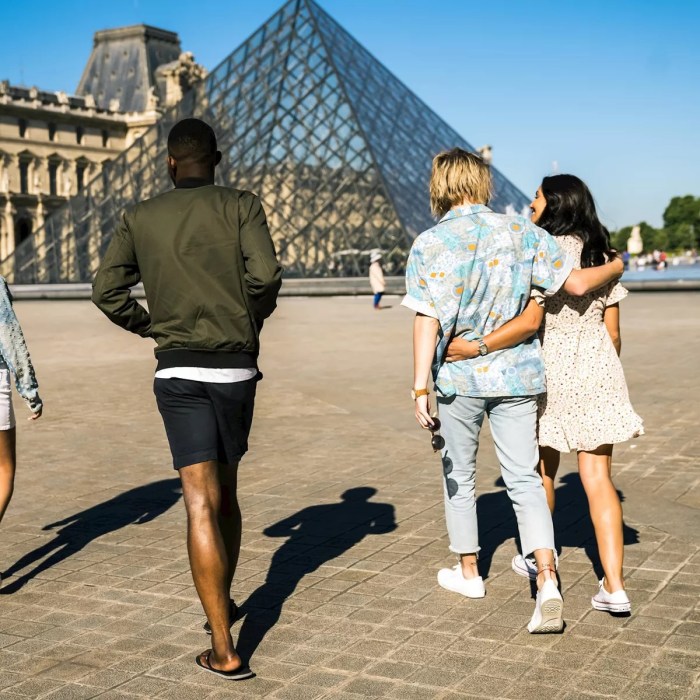
Exploring Europe on a historical vacation offers a fascinating journey through time, allowing visitors to immerse themselves in the rich and diverse heritage of the continent.
Historically Significant Landmarks in Europe
Europe is home to a plethora of historically significant landmarks that have played pivotal roles in shaping the continent’s history. Some of the most iconic sites include:
- The Colosseum in Rome, Italy – a symbol of ancient Roman civilization and architectural brilliance.
- The Acropolis in Athens, Greece – a testament to the glory of ancient Greek civilization and the birthplace of democracy.
- The Eiffel Tower in Paris, France – an iconic symbol of French ingenuity and a marvel of modern engineering.
Contribution of Historical Vacations to Understanding European Heritage
Historical vacations play a crucial role in deepening our understanding of European heritage by providing firsthand experiences of the past. By visiting historical sites, tourists can gain insights into the traditions, customs, and events that have shaped European culture over the centuries.
Preservation Efforts of Historical Sites for Tourism in Europe
The preservation of historical sites is essential for maintaining their cultural and historical significance for future generations. European countries have implemented various conservation efforts, including restoration projects, strict regulations, and educational programs, to safeguard these sites for tourism. Organizations such as UNESCO also play a key role in recognizing and protecting Europe’s cultural heritage through the designation of World Heritage Sites.
Luxury Vacation
When it comes to luxury vacations in Europe, travelers can indulge in a plethora of upscale amenities and experiences that cater to their every need. From lavish accommodations to exclusive dining options and personalized services, the possibilities for a luxurious getaway are endless.
Luxury in Popular European Cities vs. Countryside Retreats
Travelers looking for a luxury vacation in Europe can choose between the opulence of popular cities like Paris, London, and Rome, where high-end hotels, gourmet restaurants, and designer shopping await. On the other hand, those seeking a more tranquil and exclusive experience can opt for countryside retreats in regions like Tuscany, Provence, or the Scottish Highlands, where luxury villas, spa resorts, and private vineyards offer a secluded escape.
Tips for Planning a Memorable Luxury Vacation in Europe
- Research and choose the right destination that aligns with your luxury travel preferences, whether it’s a cosmopolitan city or a serene countryside setting.
- Book accommodations well in advance to secure the best rooms or suites with stunning views and top-notch amenities.
- Consider hiring a private guide or concierge service to curate exclusive experiences such as private tours, VIP access to attractions, and reservations at Michelin-starred restaurants.
- Indulge in luxury spa treatments, wellness retreats, or gourmet cooking classes to enhance your vacation experience and relax in style.
- Immerse yourself in the local culture by attending private events, art exhibitions, or performances that cater to luxury travelers and offer a unique perspective on the destination.
Budget Vacation
Traveling to Europe on a budget doesn’t mean sacrificing quality or missing out on amazing experiences. With some smart planning and a bit of flexibility, budget-conscious travelers can still enjoy all that Europe has to offer.
Affordable Accommodation Options
When looking for budget-friendly accommodation in Europe, consider options such as hostels, guesthouses, or budget hotels. These types of accommodations often offer affordable rates and the chance to meet other travelers.
- Hostels: Hostels are a popular choice for budget travelers, offering dormitory-style rooms at a lower cost than traditional hotels.
- Guesthouses: Guesthouses are smaller, family-run establishments that can provide a cozy and affordable stay.
- Budget Hotels: Look for budget hotel chains or independently-owned hotels that offer simple rooms at reasonable prices.
Transportation Tips
Getting around Europe on a budget can be easier than you think. Consider these transportation tips to save money while exploring:
- Use Public Transportation: Opt for buses, trams, and trains over taxis or rental cars to save on transportation costs.
- Walk or Bike: Many European cities are pedestrian and bike-friendly, allowing you to explore on foot or by bike for free or at a low cost.
- Look for Discount Passes: Some cities offer tourist passes that provide discounted or free access to public transportation and attractions.
Advantages of Budget Travel
Traveling on a budget in Europe has its perks beyond just saving money. Here are some advantages of opting for a budget vacation:
- Immersive Experience: Staying in budget accommodations and using public transportation can offer a more authentic and immersive travel experience.
- Meeting Locals and Other Travelers: Budget travel often leads to interactions with locals and other travelers, providing opportunities for cultural exchange and new friendships.
- Flexibility: With a budget vacation, you have the flexibility to adjust your itinerary and explore off-the-beaten-path destinations that may not be as crowded with tourists.
All-Inclusive Resort Vacation
When it comes to vacationing in Europe, opting for an all-inclusive resort can offer a convenient and hassle-free experience for travelers. With everything from accommodation to meals and activities included in one package, guests can relax and enjoy their getaway without worrying about additional costs.
Types of All-Inclusive Resorts in European Beach Destinations
European beach destinations offer a variety of all-inclusive resorts catering to different traveler preferences. From family-friendly resorts with kids’ clubs and entertainment options to adults-only resorts for a more tranquil experience, there is something for everyone.
- Family-Friendly Resorts: These resorts usually feature amenities such as water parks, supervised kids’ activities, and family-friendly dining options.
- Adults-Only Resorts: Perfect for couples or solo travelers looking for a more peaceful and relaxing environment, these resorts often offer spa facilities, gourmet dining, and entertainment tailored for adults.
- Luxury Resorts: For travelers seeking a high-end experience, luxury all-inclusive resorts in Europe provide top-notch service, upscale accommodations, and exclusive amenities.
- Budget-Friendly Resorts: Travelers on a budget can still enjoy an all-inclusive vacation in Europe with affordable resort options that offer value for money without compromising on quality.
Top-Rated All-Inclusive Resorts in Europe
For those looking to experience the best of all-inclusive resorts in Europe, here are some top-rated recommendations:
- Ikos Olivia – Halkidiki, Greece: This luxury resort offers an ultra-all-inclusive experience with gourmet dining, premium drinks, and a range of activities for guests of all ages.
- Club Med Cefalù
Sicily, Italy
Nestled on the coast of Sicily, this family-friendly resort boasts stunning views, a variety of sports and activities, and all-inclusive dining options. - Riu Palace Meloneras Resort – Gran Canaria, Spain: Known for its elegant design and excellent service, this adults-only resort in Gran Canaria is a popular choice for couples and solo travelers.
- Maxx Royal Kemer Resort – Antalya, Turkey: Offering a blend of luxury and entertainment, this resort in Antalya features a private beach, multiple pools, and a spa for ultimate relaxation.
City Escape
When it comes to a quick escape in Europe, the charming cities offer a perfect getaway filled with history, culture, and unique experiences. Whether you’re looking to explore ancient architecture, indulge in world-class cuisine, or simply stroll through picturesque streets, European cities have something for everyone.
Planning Tips for a City Escape
- Research and choose a city that aligns with your interests, whether it’s art, history, food, or nightlife.
- Opt for centrally located accommodation to make the most of your time and easily explore the city on foot.
- Create a flexible itinerary that includes must-see attractions, but also allows for spontaneous discoveries and relaxation.
- Consider guided tours or local experiences to gain a deeper understanding of the city’s culture and heritage.
- Check for any special events or festivals happening during your visit to immerse yourself in the local atmosphere.
Cultural Experiences in European Cities
European cities are rich in cultural heritage, offering a blend of old-world charm and modern innovation. From visiting iconic museums and art galleries to attending traditional performances and exploring historic neighborhoods, there’s no shortage of cultural experiences to enjoy during a city escape in Europe.
Countryside Getaway
When it comes to a countryside getaway in Europe, tranquility and beauty await you in every corner. The picturesque landscapes, charming villages, and serene atmosphere make it the perfect escape from the hustle and bustle of city life.
Recommended Countryside Locations in Europe
- Tuscany, Italy: Known for its rolling hills, vineyards, and historic villages, Tuscany offers a peaceful retreat surrounded by breathtaking scenery.
- The Cotswolds, England: This area is famous for its quaint villages, thatched cottages, and lush green countryside, ideal for leisurely walks and exploring local culture.
- Provence, France: With lavender fields, olive groves, and charming towns, Provence exudes a relaxed vibe perfect for unwinding and enjoying the slow pace of life.
Activities and Experiences in the Countryside
During a countryside getaway in Europe, you can immerse yourself in various activities and experiences that showcase the beauty of the rural landscapes:
- Leisurely walks or hikes through scenic trails
- Wine tasting tours in vineyards
- Visits to local markets and artisanal shops
- Cooking classes to learn traditional recipes
- Cultural events and festivals celebrating local traditions
National Park Adventure
National parks in Europe offer a unique opportunity to explore the continent’s rich biodiversity and natural beauty. These protected areas not only showcase stunning landscapes but also provide a habitat for diverse wildlife.When it comes to outdoor adventures, European national parks are a paradise for nature enthusiasts and thrill-seekers alike. From hiking and camping to wildlife watching and birding, there are endless opportunities to connect with the natural world and immerse yourself in its wonders.
Best National Parks in Europe for Outdoor Adventures
- Plitvice Lakes National Park, Croatia: Famous for its cascading waterfalls and crystal-clear lakes, this park is a haven for hikers and photographers.
- Triglav National Park, Slovenia: Home to the Julian Alps, this park offers a range of outdoor activities, including hiking, climbing, and kayaking.
- Picos de Europa National Park, Spain: Known for its rugged mountains and deep gorges, this park is perfect for adrenaline junkies looking for a challenging trek.
Conservation Efforts in European National Parks
European national parks play a crucial role in preserving the continent’s natural heritage and protecting endangered species. Conservation efforts, such as habitat restoration, wildlife monitoring, and sustainable tourism practices, are essential to ensure the long-term survival of these precious ecosystems.
Family Vacation
Planning a family vacation in Europe can be an exciting yet challenging task. With so many destinations to choose from and activities to consider, it’s important to plan ahead to ensure a smooth and enjoyable trip for everyone.When planning a family-friendly vacation in Europe, consider the following tips:
Family-Friendly Activities and Attractions
- Visit family-friendly museums and attractions such as the Louvre in Paris, the Acropolis in Athens, or the Tower of London.
- Explore outdoor markets and parks where kids can run around and play while parents relax and soak in the local culture.
- Take a guided tour or participate in interactive workshops tailored for families to learn more about the history and culture of the destination.
- Consider booking a cooking class or food tour to introduce children to local cuisine and ingredients.
Accommodations for Families
- Look for family-friendly hotels or resorts that offer amenities such as connecting rooms, children’s activities, and babysitting services.
- Renting a vacation home or apartment can provide more space and flexibility for families traveling together.
- Consider staying in accommodations with kitchen facilities to prepare meals for picky eaters or save on dining expenses.
Romantic Vacation
Planning a romantic vacation in Europe can be a dream come true for couples looking to create lasting memories together. With its picturesque landscapes, charming cities, and rich history, Europe offers the perfect backdrop for a romantic getaway.
Most Romantic Settings and Experiences
Europe is filled with enchanting settings and experiences that are perfect for couples seeking romance. From strolling hand in hand along the Seine River in Paris to watching the sunset over the Amalfi Coast in Italy, there are countless romantic moments waiting to be shared.
- Enjoying a candlelit dinner in a quaint French bistro
- Taking a gondola ride through the canals of Venice
- Exploring the fairytale castles of Germany’s Romantic Road
- Relaxing in a thermal spa in Budapest
Planning a Romantic Getaway
When planning a romantic vacation in Europe, consider the following tips to make the experience truly special:
- Choose a destination that suits both of your interests
- Book a cozy bed and breakfast or boutique hotel for a more intimate stay
- Plan activities that allow you to connect and create memories together
- Schedule downtime for relaxation and simply enjoying each other’s company
Significance of Romantic Vacations
Romantic vacations play a crucial role in relationship-building by allowing couples to reconnect, strengthen their bond, and create shared experiences. These getaways provide an opportunity to escape the routine of daily life and focus on each other, fostering romance and intimacy.
Solo Travel
Solo travel in Europe offers a unique and rewarding experience for those looking to explore the continent independently. While it can be liberating and empowering, there are also certain challenges and safety considerations to keep in mind when traveling alone.
Benefits of Solo Travel
- Freedom to create your own itinerary and travel at your own pace.
- Opportunity to step out of your comfort zone and challenge yourself.
- Chance to meet new people and make unexpected connections.
- Enhanced self-confidence and independence gained from navigating unfamiliar environments solo.
- Increased cultural immersion and deeper personal reflection during your travels.
Challenges of Solo Travel
- Loneliness and homesickness, especially during extended trips.
- Safety concerns, such as theft, scams, and navigating unfamiliar areas alone.
- Decision fatigue from having to make all travel choices by yourself.
- Lack of shared experiences and memories with companions.
- Limited support system in case of emergencies or unexpected situations.
Safety Tips for Solo Travelers in Europe
- Research your destination thoroughly before your trip and familiarize yourself with local customs and emergency contacts.
- Share your itinerary with a trusted friend or family member and check in regularly.
- Avoid sharing too much personal information with strangers and be cautious of your surroundings.
- Stay in well-reviewed accommodations and choose safe transportation options.
- Trust your instincts and leave any situation that feels uncomfortable or unsafe.
Personal Growth and Self-Discovery
Solo travel provides a unique opportunity for personal growth and self-discovery as you navigate new cultures and environments independently. It allows you to push your boundaries, build resilience, and gain a deeper understanding of yourself. Embrace the challenges and rewards of solo travel in Europe to unlock new perspectives and insights along the way.
Group Vacation
When it comes to exploring Europe, traveling in a group can offer a variety of advantages. Not only does it provide opportunities for shared experiences and memories, but it also allows for cost savings, increased safety, and a chance to connect with like-minded individuals.
Advantages of Traveling in a Group
- Cost Savings: Group discounts on accommodations, transportation, and activities can help reduce individual expenses.
- Safety in Numbers: Traveling with a group can provide added security and support, especially in unfamiliar environments.
- Shared Experiences: Group travel allows for shared moments of discovery and exploration, creating lasting memories.
- Local Insights: Larger groups may receive special access or insights into local culture and traditions.
Tips for Organizing a Successful Group Vacation Itinerary
- Delegate Responsibilities: Assign tasks such as itinerary planning, accommodation bookings, and transportation arrangements to different group members.
- Consider Group Preferences: Take into account everyone’s interests and preferences when creating the itinerary to ensure a well-rounded experience.
- Build in Flexibility: Leave room for spontaneity and individual exploration within the group itinerary to accommodate different travel styles.
- Communicate Clearly: Establish clear communication channels and expectations within the group to avoid misunderstandings or conflicts.
Social Dynamics and Bonding Experiences
Traveling in a group through Europe can lead to unique social dynamics and bonding experiences. Shared adventures, challenges, and discoveries can strengthen relationships and create lasting connections among group members. Whether it’s exploring historical sites, trying local cuisine, or embarking on outdoor adventures, group travel fosters camaraderie and the opportunity to forge new friendships.
Wellness Retreat
Embark on a journey of rejuvenation and relaxation with a wellness retreat in Europe. Unwind amidst stunning natural landscapes and indulge in various activities designed to promote mental and physical well-being.
Wellness Activities and Programs
Wellness retreat centers in Europe offer a wide range of activities and programs to cater to different needs and preferences. From yoga and meditation sessions to spa treatments and healthy cooking classes, travelers can choose from a variety of options to rejuvenate their mind, body, and soul.
- Yoga and Meditation: Practice mindfulness and find inner peace through guided yoga and meditation sessions.
- Spa Treatments: Pamper yourself with luxurious spa treatments such as massages, facials, and body scrubs.
- Healthy Eating Workshops: Learn how to prepare nutritious meals and embrace a healthier lifestyle.
- Nature Walks: Immerse yourself in the beauty of nature with scenic walks and hikes in the surrounding area.
Wellness Retreat Centers and Spas
Europe is home to numerous wellness retreat centers and spas that offer top-notch facilities and services for a truly relaxing experience. Some recommended wellness retreat centers include:
- SHA Wellness Clinic (Spain): Known for its holistic approach to well-being, this clinic offers personalized wellness programs tailored to individual needs.
- Borgo Egnazia (Italy): Nestled in the heart of Puglia, this luxury resort provides a serene setting for relaxation and rejuvenation.
- Kamalaya (Greece): Situated on the picturesque island of Crete, this wellness retreat center focuses on holistic healing and mindfulness.
Health Benefits of a Wellness Retreat Vacation
Participating in a wellness retreat vacation in Europe can have numerous mental and physical health benefits, including:
- Stress Reduction: Escape the hustle and bustle of daily life and unwind in a peaceful environment to reduce stress levels.
- Improved Sleep Quality: Relaxation techniques and healthy habits learned during the retreat can contribute to better sleep quality.
- Enhanced Well-being: Engaging in wellness activities can boost mood, energy levels, and overall well-being.
- Detoxification: Detox programs offered at retreat centers can help cleanse the body and promote detoxification.
Cruise Vacation
Embarking on a cruise vacation in Europe offers a unique and exciting way to explore multiple destinations in one trip. With the convenience of unpacking only once while visiting various coastal regions, cruise vacations have gained immense popularity among travelers seeking a diverse cultural experience.
Types of European Cruises
- River Cruises: Explore iconic rivers like the Danube, Rhine, and Seine, stopping at historic cities along the way.
- Mediterranean Cruises: Sail the stunning Mediterranean Sea, visiting ports in countries like Italy, Greece, Spain, and France.
- Northern Europe Cruises: Discover the beauty of Scandinavia and the Baltic region, with stops in cities like Copenhagen, St. Petersburg, and Helsinki.
Cultural Experiences on European Cruise Vacations
- Shore Excursions: Participate in guided tours of ancient ruins, historic landmarks, and local markets to immerse yourself in the culture of each port of call.
- Culinary Delights: Indulge in regional cuisine and wine tastings, showcasing the diverse flavors of each European destination.
- Art and History: Visit museums, galleries, and architectural wonders to appreciate the rich artistic and historical heritage of Europe.
Final Conclusion
As we conclude our journey through the cultural landscape of Europe, the tapestry of traditions and experiences woven throughout this exploration leaves an indelible mark on our understanding of the continent’s rich heritage.
FAQ Section
What are some unique cultural traditions in Europe?
Some examples include La Tomatina festival in Spain, St. Patrick’s Day in Ireland, and the Carnival of Venice in Italy.
How can exploring cultural heritage enhance travel experiences in Europe?
By delving into local traditions and customs, travelers gain a deeper appreciation for the places they visit, fostering a more immersive and enriching journey.
Why is it important to engage in marine conservation during diving and snorkeling trips in Europe?
Protecting marine ecosystems ensures the sustainability of underwater environments, allowing future generations to continue enjoying the beauty of these natural habitats.
What are some must-try adventurous experiences in Europe?
Adventure enthusiasts can explore activities like paragliding in the Swiss Alps, hiking the Camino de Santiago in Spain, or kayaking in the fjords of Norway.
How can solo travelers ensure their safety while exploring Europe?
Solo travelers should stay vigilant, keep their belongings secure, research safe areas to visit, and inform someone trustworthy of their itinerary for added security.