Health and medical volunteer holidays set the stage for an enriching experience, combining travel with altruism. Dive into a world where giving back meets adventure, nurturing both the soul and communities in need.
Explore the transformative journey that awaits those who embark on these meaningful volunteer opportunities, where impact transcends borders and hearts are forever changed.
Introduction to Health and Medical Volunteer Holidays
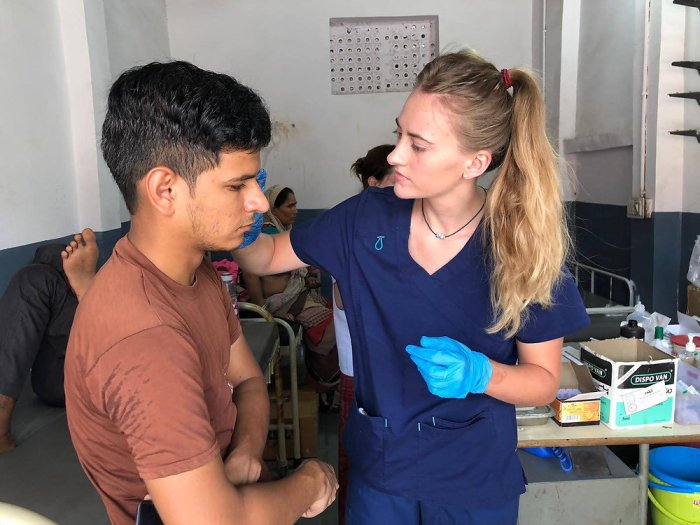
Health and medical volunteer holidays involve individuals using their time off to participate in volunteer work within the healthcare sector. This could range from providing medical care to underserved communities, assisting in health education programs, or supporting healthcare facilities in need.
Volunteering in the healthcare sector while on vacation is important as it allows individuals to make a meaningful impact on the lives of others. It provides an opportunity to contribute to improving the health and well-being of communities in need, while also gaining valuable experience and skills in a medical setting.
The Impact of Health and Medical Volunteer Opportunities
Volunteering in health and medical projects during holidays can have a significant impact on communities in need. It not only provides much-needed support to healthcare facilities and professionals but also helps in addressing gaps in healthcare services for vulnerable populations. These volunteer opportunities can lead to improved health outcomes, increased access to medical care, and overall better quality of life for those in underserved areas.
Benefits of Health and Medical Volunteer Holidays
Health and Medical Volunteer Holidays offer a wide range of benefits, not only to the communities being served but also to the volunteers themselves. Let’s explore some of the key advantages:
Personal Growth and Learning Opportunities
Volunteering in health and medical projects abroad allows volunteers to step out of their comfort zones and gain valuable personal growth experiences. It provides an opportunity to learn about different cultures, healthcare systems, and medical practices, helping volunteers develop empathy, adaptability, and cross-cultural communication skills.
Improvement in Mental Health and Well-being
Engaging in volunteer work in a healthcare setting has been shown to have positive effects on mental health. The act of giving back and helping those in need can boost self-esteem, reduce stress, and combat feelings of isolation or depression. Volunteering can also provide a sense of purpose and fulfillment, contributing to overall well-being.
Potential Career Benefits
Participating in health and medical volunteer holidays can offer valuable insights and hands-on experience that can benefit a volunteer’s future career in healthcare. It allows volunteers to apply and enhance their medical skills, gain exposure to different medical conditions, and develop teamwork and problem-solving abilities. Additionally, volunteering abroad demonstrates compassion, dedication, and a global perspective, qualities that can make a candidate stand out in the competitive field of healthcare.
How to Choose the Right Health and Medical Volunteer Program
When selecting a health and medical volunteer program, it is crucial to conduct thorough research to ensure you choose a reputable organization that aligns with your values and goals. Matching your skills and interests with volunteer opportunities is also essential to make the most out of your experience. Additionally, planning the logistics of your volunteer holiday in advance will help you prepare effectively.
Researching and Selecting Reputable Volunteer Organizations
- Look for organizations with a proven track record in providing meaningful volunteer opportunities in the healthcare sector.
- Read reviews and testimonials from previous volunteers to gauge the organization’s credibility and impact.
- Check if the organization is transparent about its projects, finances, and volunteer contributions.
Matching Skills and Interests with Volunteer Opportunities
- Assess your skills, qualifications, and interests to find a volunteer program that aligns with your expertise and passion.
- Consider the type of healthcare projects available and choose one that resonates with your professional goals or personal interests.
- Communicate with the organization to discuss how your skills can be best utilized in their projects.
Planning for a Health and Medical Volunteer Holiday
- Research the destination country’s healthcare system, cultural norms, and language to prepare for your volunteer experience.
- Arrange for necessary travel documents, vaccinations, and insurance coverage well in advance of your trip.
- Create a budget for your volunteer holiday, including costs for accommodation, meals, transportation, and project fees.
Impact of Health and Medical Volunteer Holidays on Global Healthcare
Volunteering in health and medical programs abroad can have a significant impact on global healthcare, especially in underserved regions where access to quality healthcare is limited. These volunteer initiatives play a crucial role in bridging the gap and improving the overall health outcomes of local communities.
Contribution to Improving Healthcare Access
- Health and medical volunteer holidays provide much-needed support to local healthcare facilities by offering additional manpower and resources.
- Volunteers help in delivering essential medical services, conducting health screenings, and raising awareness about preventive healthcare measures.
- By working directly with local healthcare professionals, volunteers can transfer knowledge and skills that contribute to building a sustainable healthcare system.
Long-Term Effects on Local Communities
- Health and medical volunteer projects leave a lasting impact on local communities by improving overall health literacy and promoting healthier lifestyles.
- Through continuous volunteer efforts, communities can experience a reduction in disease prevalence and an increase in access to essential healthcare services.
- Empowering local healthcare providers through training and education ensures that the benefits of volunteer initiatives are sustained in the long run.
Sustainability of Volunteer Projects
- Ensuring the sustainability of health and medical volunteer projects requires a collaborative approach involving local stakeholders, governments, and organizations.
- Implementing community-driven healthcare solutions and capacity-building initiatives can help maintain the impact of volunteer programs even after volunteers have returned home.
- Monitoring and evaluating the effectiveness of volunteer projects, as well as collecting feedback from local communities, are essential for continuous improvement and long-term sustainability.
Combining Health and Medical Volunteering with Other Vacation Activities
Volunteering for health and medical causes doesn’t have to mean sacrificing the chance to enjoy other activities during your holiday. Here are some tips on how to combine your volunteering work with leisure activities to make the most out of your experience.
Integrating Leisure Activities
While volunteering for health and medical causes, you can also take some time to engage in leisure activities like fishing, diving, or cultural exploration. This can help you unwind, recharge, and make the most out of your vacation.
Balancing Relaxation and Volunteer Work
It’s important to find a balance between relaxation and volunteer work during your holiday. Make sure to schedule your volunteering hours in a way that allows you to enjoy some downtime and explore the destination you are visiting.
Maximizing the Overall Vacation Experience
To maximize your overall vacation experience while volunteering, consider planning your activities in advance. Make a list of must-visit places, local cuisines to try, and cultural events to attend. This way, you can make the most out of your time while contributing to a meaningful cause.
Challenges Faced by Health and Medical Volunteers
Volunteering in healthcare settings comes with its own set of challenges that volunteers may encounter during their service trips. These challenges can range from logistical issues to emotional hurdles that impact the overall volunteering experience.
Common Obstacles Encountered by Health and Medical Volunteers
- Adapting to a new healthcare system and facilities
- Working with limited resources and medical supplies
- Navigating cultural differences and communication barriers
- Dealing with emotional stress and witnessing difficult healthcare scenarios
Strategies to Overcome Cultural Differences and Language Barriers
- Take the time to learn basic phrases in the local language
- Utilize interpreters or local staff members for effective communication
- Respect and embrace the local culture to build trust and rapport with the community
- Stay open-minded and flexible in adapting to different customs and practices
Emotional Impact of Volunteering in Challenging Healthcare Environments
Volunteering in healthcare settings, especially in underprivileged areas, can take a toll on volunteers emotionally. Witnessing poverty, illness, and limited access to healthcare can be overwhelming. It is essential for volunteers to practice self-care, seek support from fellow volunteers, and debrief with professionals to process their emotions effectively.
Ethical Considerations in Health and Medical Volunteering
When engaging in health and medical volunteering abroad, it is crucial to be mindful of various ethical considerations to ensure that your efforts are truly beneficial and sustainable. This involves navigating complex dilemmas related to voluntourism in the healthcare sector, understanding and respecting local customs and cultural sensitivities, and striving to make a positive impact on the community you are serving.
Importance of Cultural Sensitivity and Respect for Local Customs
One of the key ethical considerations in health and medical volunteering is the importance of cultural sensitivity and respect for local customs. It is essential to take the time to learn about the cultural norms and practices of the community you are working in to avoid unintentionally causing offense or misunderstanding. By demonstrating respect for local customs, you can build trust with the community and ensure that your volunteer efforts are well-received and effective.
Ensuring Sustainable and Beneficial Volunteer Efforts
Another crucial ethical consideration is ensuring that your volunteer efforts are sustainable and truly beneficial to the community in the long run. This involves working in collaboration with local healthcare providers and community members to identify their needs and develop programs that address those needs effectively. It is essential to prioritize the empowerment of local healthcare professionals and the building of lasting healthcare infrastructure to ensure that your impact is meaningful and enduring.
Promoting Responsible Travel Practices in Health and Medical Volunteering
Responsible volunteering in health and medical initiatives is crucial for creating a positive impact and ensuring sustainable development in global healthcare. By following ethical guidelines and best practices, volunteers can contribute effectively to improving healthcare systems in underserved communities without causing harm or dependency.
Examples of Best Practices for Ethical Volunteering in Healthcare Settings
- Seeking proper training and certification before volunteering to ensure competence in providing medical care.
- Respecting local customs, traditions, and beliefs to establish trust and build strong relationships with the community.
- Collaborating with local healthcare professionals to support and enhance existing healthcare services rather than imposing foreign practices.
- Maintaining patient confidentiality and privacy to uphold ethical standards and protect the rights of individuals receiving care.
- Evaluating the impact of volunteer efforts on the community and adjusting practices based on feedback and outcomes.
Ways to Minimize the Negative Impacts of Health and Medical Volunteering on Local Communities
- Prioritizing sustainability by focusing on capacity building and empowering local healthcare providers to continue the work after volunteers leave.
- Avoiding the promotion of voluntourism that exploits vulnerable populations or perpetuates stereotypes about developing countries.
- Engaging in culturally sensitive practices and being mindful of the potential unintended consequences of volunteer interventions.
- Supporting community-led initiatives and partnering with local organizations to address healthcare needs in a holistic and sustainable manner.
- Encouraging volunteers to reflect on their experiences and learn from local perspectives to enhance their understanding of global health issues.
Wrap-Up
Embark on a journey of compassion and purpose, where your vacation becomes a gateway to making a lasting impact. Join the movement of health and medical volunteer holidays and discover the true essence of travel with a purpose.
Popular Questions
How can I ensure my skills are matched with the right volunteer opportunity?
Research reputable organizations and choose programs that align with your expertise and interests for a fulfilling experience.
What are some ways to balance leisure activities with volunteer work during the holiday?
Integrate fun activities like fishing or cultural exploration into your volunteering schedule to create a well-rounded experience.
How do health and medical volunteer projects contribute to long-term improvements in local communities?
By providing sustainable healthcare access and support, these initiatives create lasting positive effects on underserved regions.
What ethical considerations should I keep in mind while volunteering in the healthcare sector?
Be mindful of cultural sensitivities, respect local customs, and ensure your efforts are sustainable and beneficial to the community you serve.